Finding Sacred Silence Across Northern Italian Ridges
Beyond the crowded viewing decks of popular mountain passes lie narrow stone paths where the only sound is wind sweeping through larch branches.
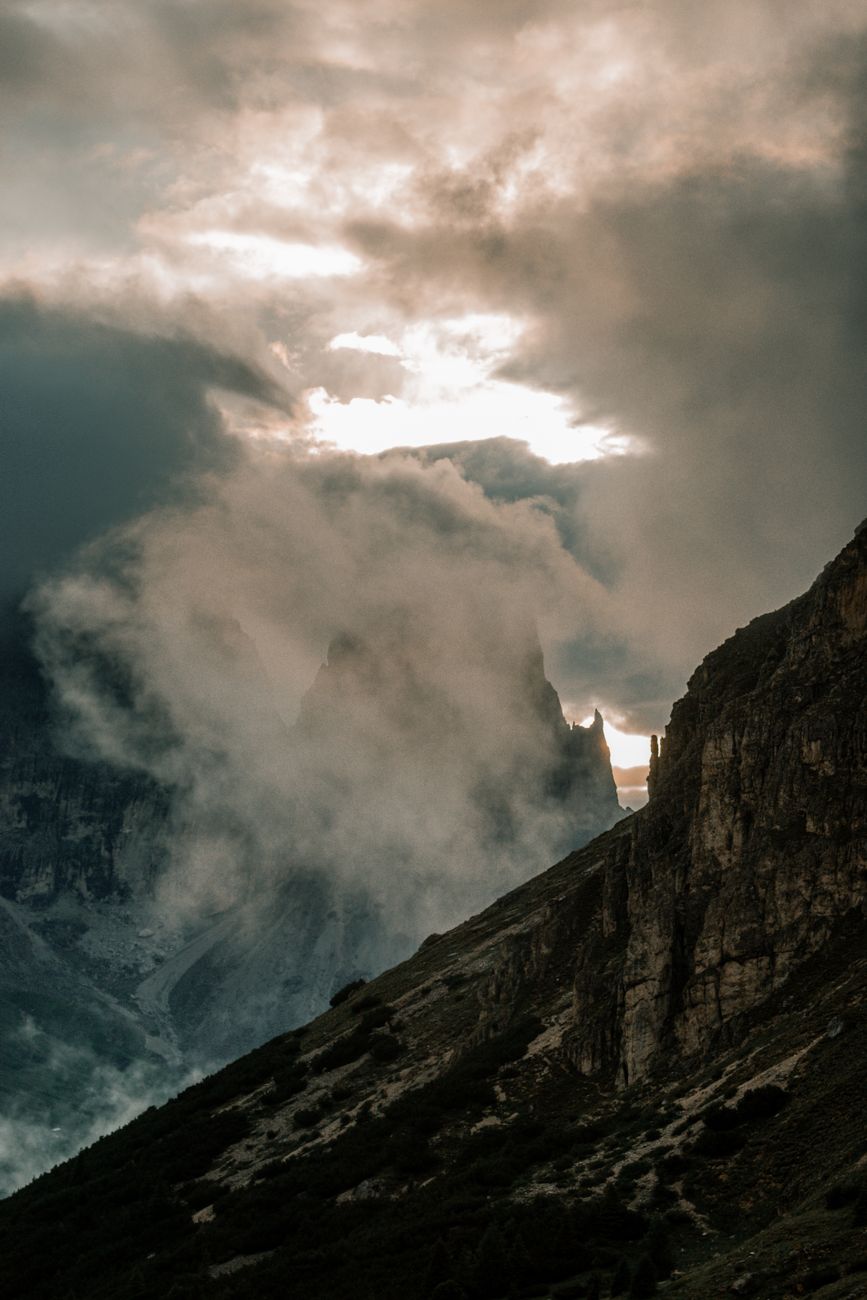
1. Altitude & Stillness
To walk the high passes of Northern Italy is to shed the noise of modern urgency. As one climbs past the treeline at two thousand meters, the dense canopy gives way to raw limestone pinnacles and carpets of wild thyme. Here, time loses its synthetic granularity.
We began our ascent from a valley shadowed by glaciers, following old military mule trails constructed over a century ago. These paths, weathered by freeze-and-thaw cycles, now serve wandering chamois and solitary hikers seeking an uncluttered mind.
"True geography cannot be consumed in minutes; it requires the physical expenditure of one's breath and the cadence of footsteps across stones."
2. Vernacular Huts and High-Plateau Hospitality
In the quiet hamlet of Val di Funes, stone and timber huts remain anchored in centuries of agricultural continuity. Evening meals are unadorned yet extraordinary: dense rye loaves, butter churned that morning from alpine cows grazing at 1,800 meters, and warm mountain broth.
The custodians of these high refuges understand hospitality not as an industry, but as an ancient mutual contract against the harsh alpine climate. There are no televisions, no intrusive Wi-Fi corridors; conversations happen by cast-iron woodstoves as dusk settles across pale peaks.
3. The Slow Return
Descending back into the valley floor after four days above the tree line brings a subtle sense of dislocation. The cadence of traffic, the buzz of streetlights, and the pace of digital notifications feel momentarily foreign. This gentle friction is precisely why such journeys are necessary.
Plan Your Journey
Consult our private editorial team for walking routes, certified guides, and off-grid high mountain refuges across the Dolomites.
Connect with Our Desk