The Rhythm of Kyoto Tea Masters: A Study in Slowness
Within modest cedar tea houses north of Kyoto, the simple boiling of water and whisking of ground green leaves becomes a profound meditation on presence.
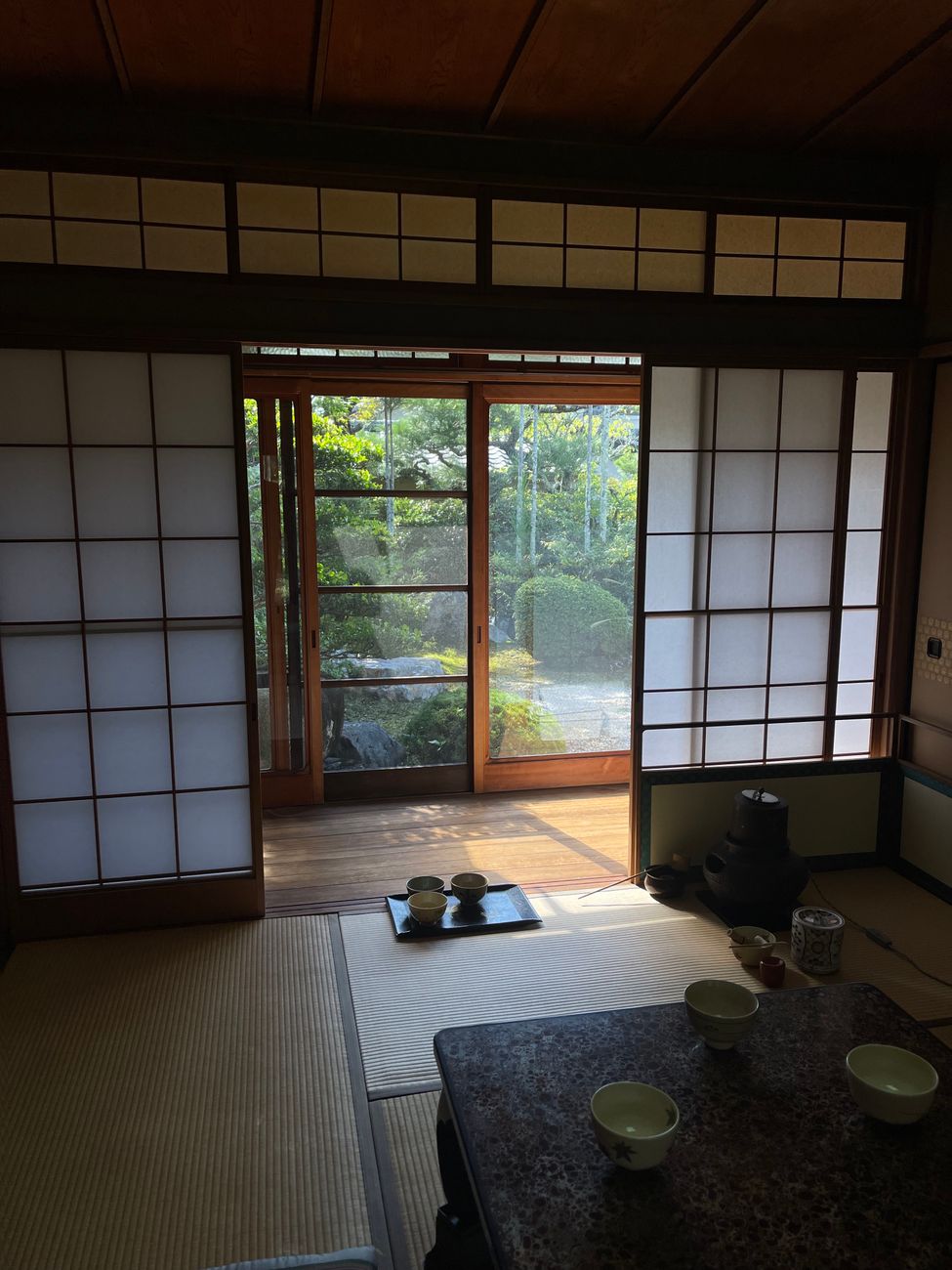
1. The Concept of Presence
In Japanese aesthetic philosophy, the phrase *Ichigo ichie* translates roughly to "one time, one meeting." It reminds both host and guest that every gathering is entirely singular, destined never to be duplicated in identical terms. Under the quiet drizzle of an autumn morning in Uji, this principle ceased being an abstract concept and became tangible.
We met Master Kato inside a centuries-old tea pavilion bordered by raked river stones and moss gardens. Each movement, from the wiping of a ceramic bowl to the measurement of water from an iron kettle, was performed with quiet deliberation.
"In tea, we do not perform for applause. We simplify space until only what is vital remains: water, fire, leaf, and mutual respect."
2. Architecture of Cedar & Paper
The tea room itself is deliberately diminutive. Low sliding doors require every guest to bow slightly upon entering, symbolically shedding status, hierarchy, and vanity. Untreated cedar beams release a subtle, grounding resin scent, while translucent shoji screens soften harsh exterior daylight into a muted, amber glow.
Every corner is engineered to orient the senses toward nature: a single seasonal camellia bloom resting in an unglazed vase, the sound of rain falling from thatch eves, and the steam curling upward against dark wall plaster.
3. The Mindful Guest
For visitors accustomed to high-velocity metropolitan life, submitting to this degree of calm can initially provoke restlessness. Yet after an hour of deliberate silence, a deeper sensory reset occurs. The mind calms, textures become sharper, and ordinary moments recover their sacred dimension.
Join Our Cultural Journeys
Explore private access to traditional artisans and historical dwellings curated by 111111.
Inquire About Travel