Where Ocean Meets Redwood: Coastal California Retold
Navigating dramatic Pacific headlands, secluded coves, and the silent cathedral shadows of ancient trees along the Western edge.
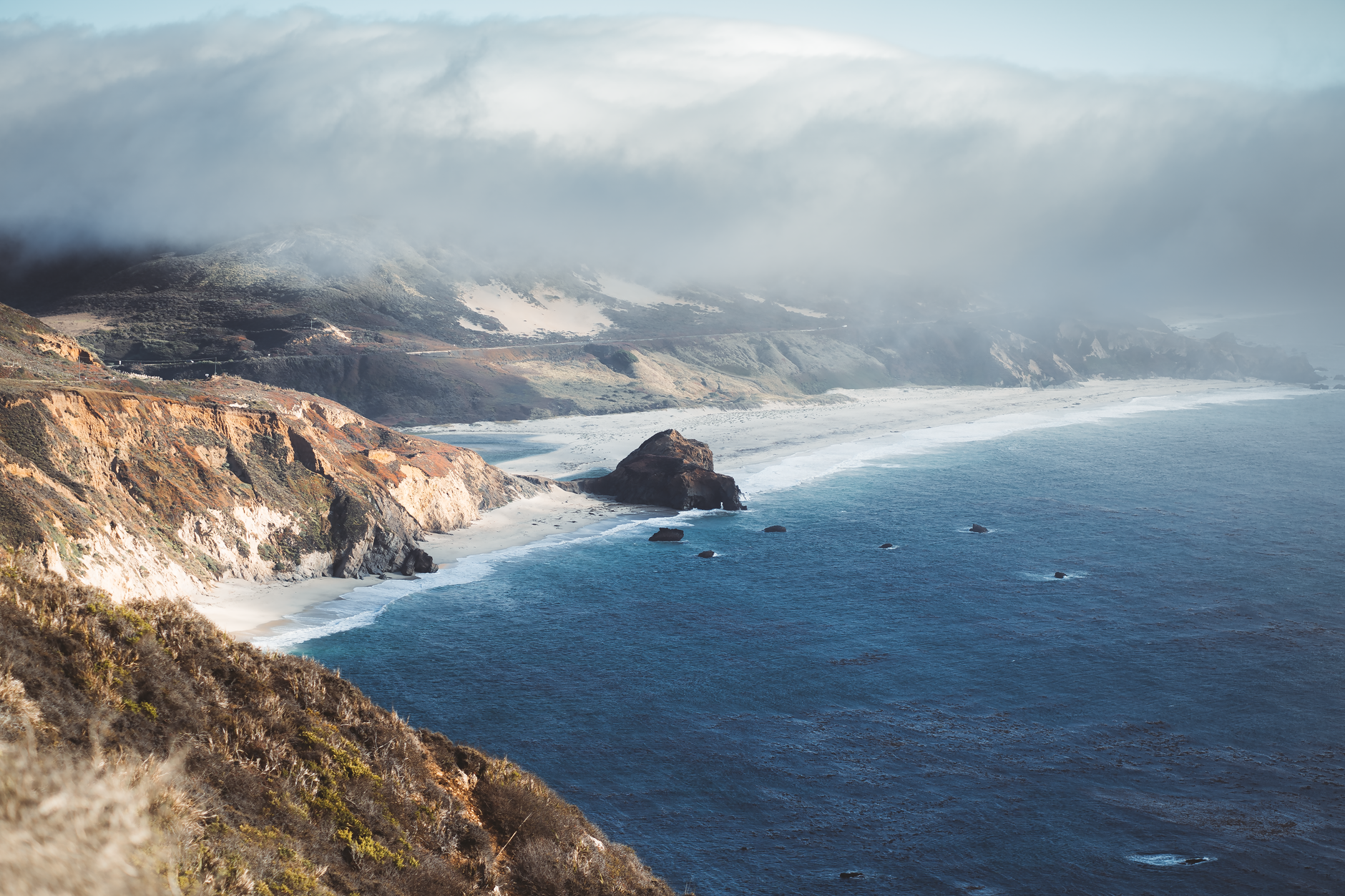
1. The Marine Canopy
California’s coastal fringe is defined by fog. Known locally as the marine layer, it rolls off the cold Pacific deep every summer afternoon, draping the sharp granite cliffs in a silvery shroud. This atmospheric moisture sustains the tallest living organisms on earth: the coastal redwoods (*Sequoia sempervirens*).
Standing within an old-growth grove in Big Sur, the ocean surf sounds muted, like thunder rolling miles inland. The sheer scale of thousand-year-old trunks recalibrates the observer's sense of geological and biological time.
"The coast does not yield to human haste; its roads are carved alongside tectonic fault lines, enforcing an involuntary reverence for the elements."
2. Modernist Shelters Built with Regional Timber
Along this coast, notable mid-century architects embraced organic principles: buildings designed not to dominate the land, but to settle modestly into sea bluff contours. Weathered redwood siding, hand-poured concrete fireplaces, and expansive glass panes create an intimate dialogue between indoor contemplation and coastal tempests.
We stayed in an off-grid sanctuary perched four hundred feet above the crashing waves. Powered by solar arrays and heated with local firewood, it offered a masterclass in restorative architecture.
3. Ocean Terroir and Micro-Producers
Beyond landscape drama lies a rich community of organic farmers, cold-water kelp harvesters, and low-intervention winemakers. In coastal valleys just five miles inland, cooling marine breezes allow delicate Pinot Noir and cool-climate Syrah grapes to ripen with unmatched aromatic complexity.
Curate Your Pacific Retreat
Receive our curated list of private coastal cabins and architectural tours across Northern California.
Contact Our Planners